
Nearly Every Converting Line Starts with an Unwind
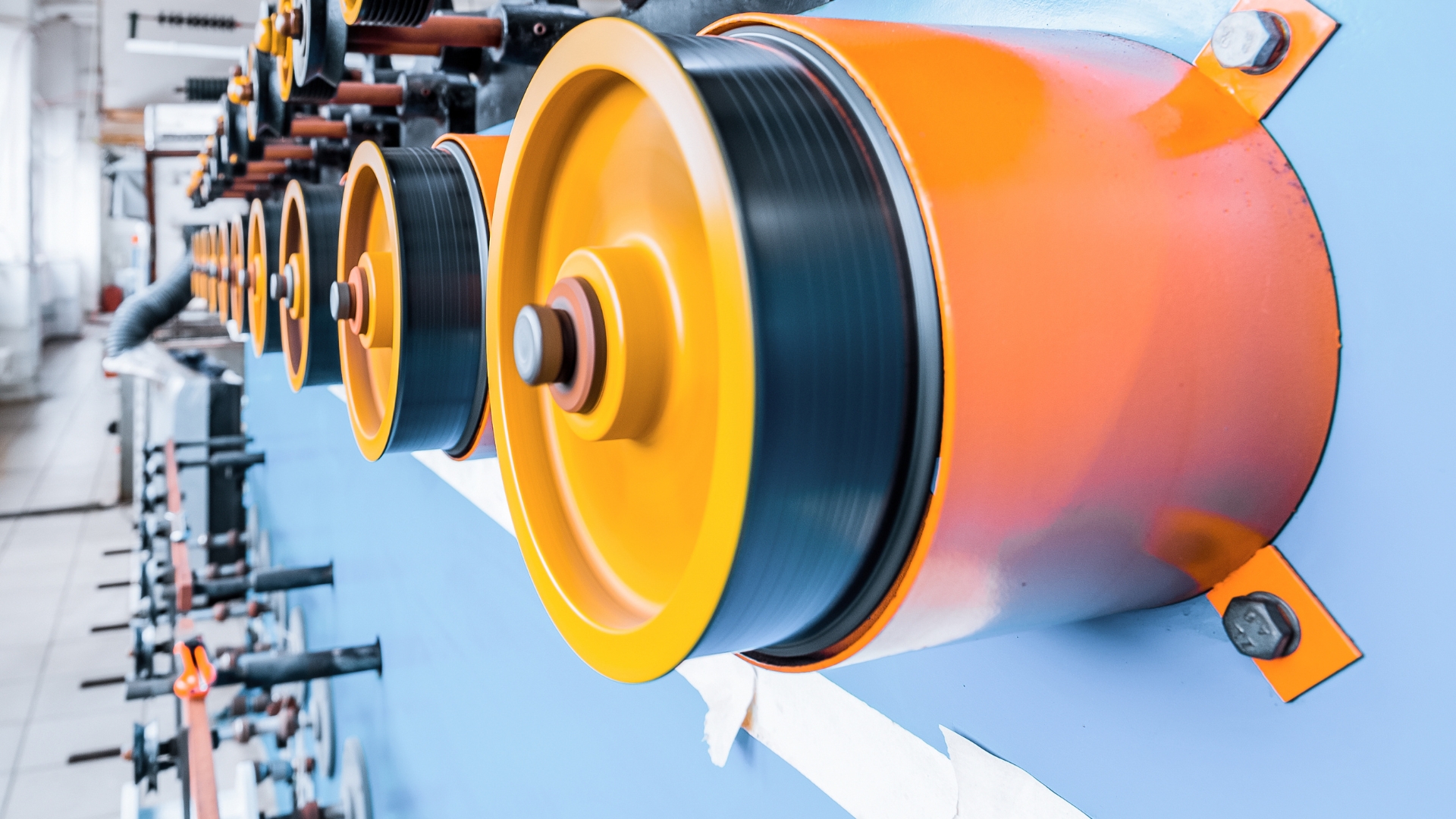
Look closely at almost any roll-fed converting line and you’ll find an unwind at the beginning. Slitter rewinders, sheeters, coaters, laminators, and other converting machines depend on an unwind to introduce material into the process. Many also rely on a rewind at the other end.
The processing section often gets most of the attention, but how material enters and exits the machine can impact everything in between. That also makes the unwind or rewind a logical place to consider an upgrade when the rest of the existing converting line still performs well.
Why Unwinds & Rewinds are Found Across Converting Equipment
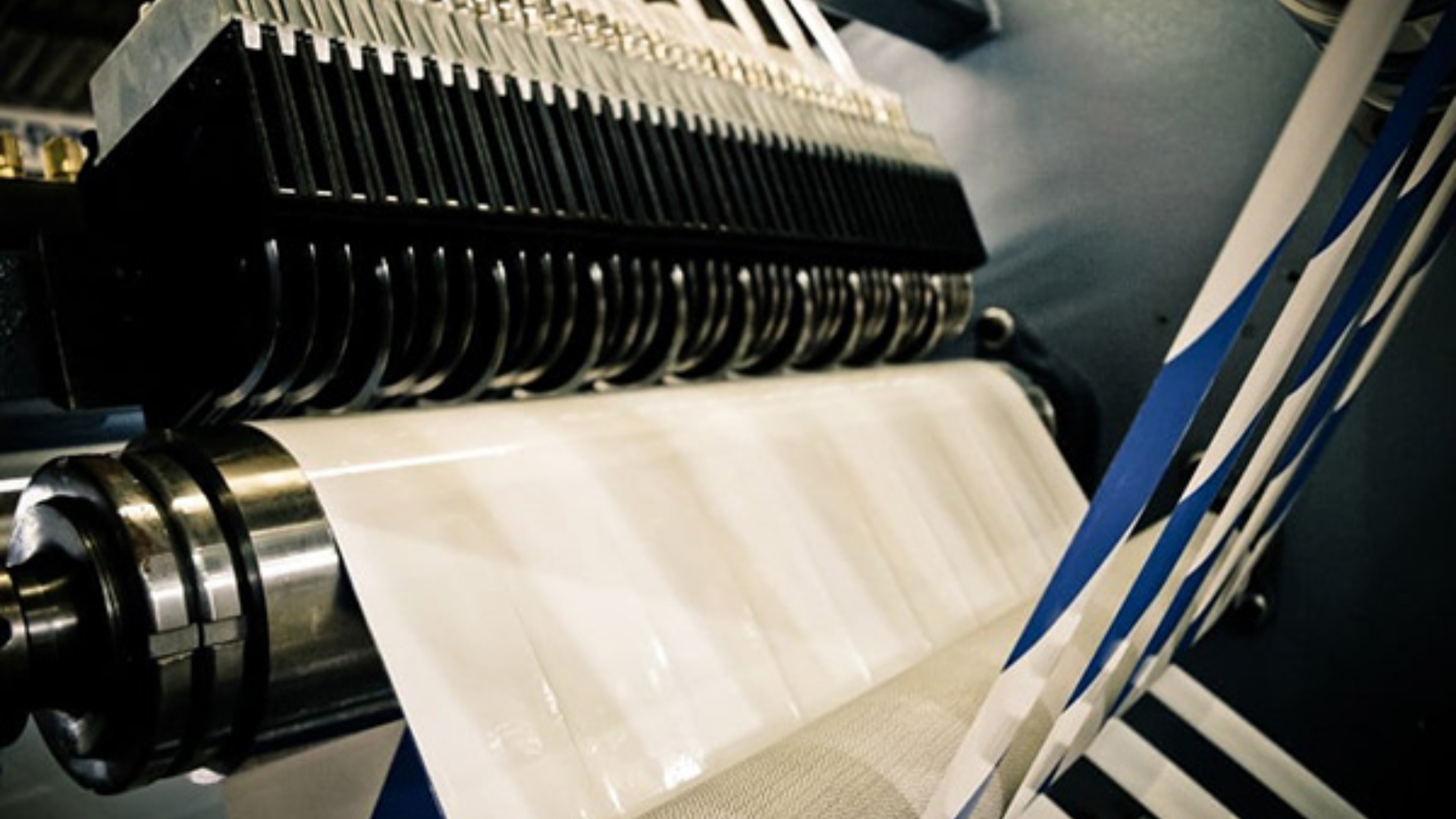
At its simplest, an unwind has to introduce rolled material into a converting process safely, consistently, and at the required tension. On a slitter rewinder, a parent roll is unwound before the web is slit and wound into narrower rolls. A sheeter unwinds continuous material before cutting it into sheets. Coating equipment feeds a web through the coating process, while laminating lines may unwind multiple webs before combining them.
A 2025 article in Converting Quarterly illustrates this clearly with a typical coating and laminating line that unwinds a primary web and a laminate web before winding the finished structure. Whenever the finished product needs to remain in roll form, the rewind completes that process.
The Unwind Can Be Upgraded Without Replacing the Entire Machine
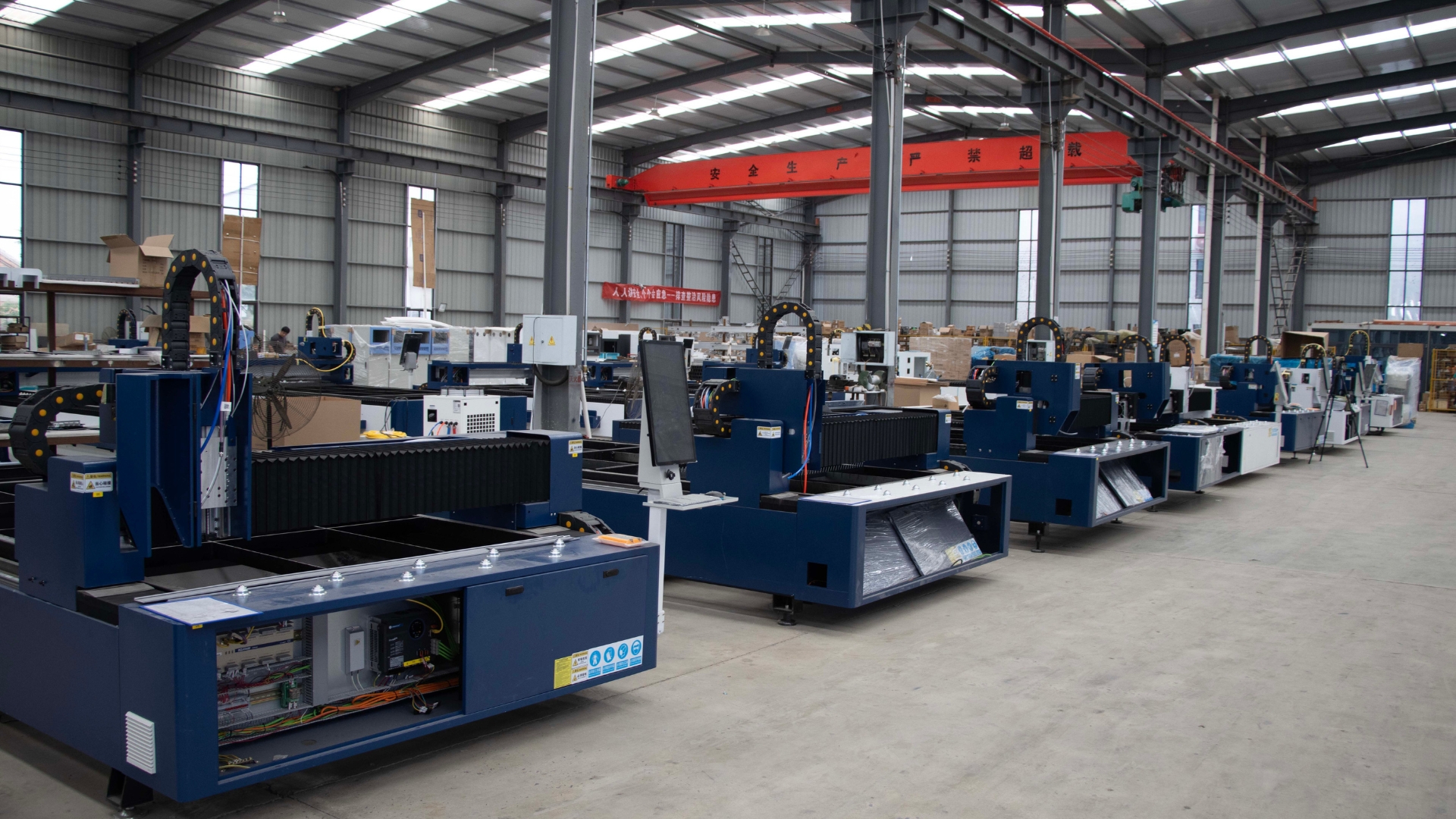
Sometimes the problem is not the converting machine itself but rather how rolls are being handled. Our team encounters manufacturers with equipment that continues to slit, sheet, coat, laminate, or otherwise process material effectively, while an older unwind creates an operational bottleneck. In those situations, replacing or retrofitting that portion of the line may be worth considering.
There are a few common reasons for why an unwind component may start to fail:
- Rolls may have become larger or heavier since the equipment was first installed.
- Production demands may have increased.
- Operators may be spending too much time loading rolls, or a process that once seemed manageable may now involve more manual handling than the facility wants.
An unwind upgrade can address those specific issues while allowing a manufacturer to continue using productive equipment already on the floor.
The Limitations of Traditional Drop-In Shaft Unwinds
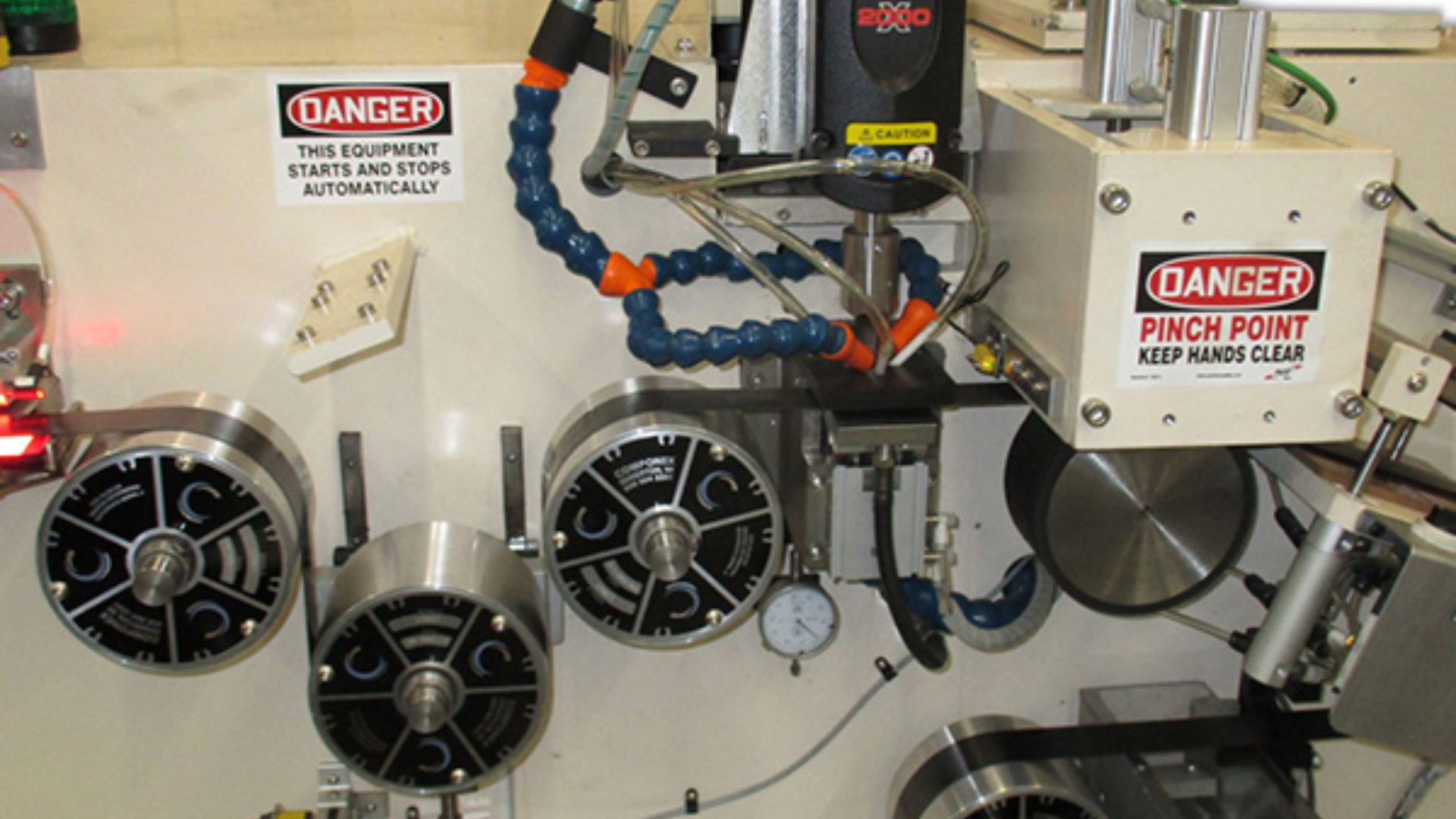
A traditional drop-in shaft unwind uses a shaft inserted through the roll core. The loaded shaft and roll are then positioned in the unwind. It’s a straightforward design that remains appropriate for many applications. The challenge comes when roll weights, diameters, production volumes, or operator expectations change.
Handling shafts and positions increasingly heavy rolls can add physical demands to each changeover. The issue becomes especially noticeable in operations performing frequent roll changes. Industry discussions increasingly focus on reducing this type of handling. Converting Quarterly, for instance, notes that shaftless unwind stations allow rolls to be loaded without operators handling a heavy shaft, reducing operator involvement in the process. The question is not whether drop-in shaft equipment works, but whether it remains the best fit for today’s operation.
Floor-Lifting Unwinds Can Improve Roll Handling
A floor-lifting unwind changes how the roll reaches its operating position. Rather than relying entirely on separate equipment or manual positioning, the unwind is designed to pick up or lift a roll from floor level. That can make roll changes more repeatable while reducing some of the handling surrounding larger rolls. Depending on the application, it may also reduce reliance on separate roll-handling equipment.
Recent Converting Quarterly guidance on slitter/rewinder efficiency specifically identifies shaftless floor-pickup unwinds as a way to move jumbo rolls onto equipment more easily and reduce downtime associated with material handling. For a manufacturer modernizing an older line, floor lifting can therefore address a very specific problem without requiring a complete redesign of the converting process.
When a Shaftless Unwind Makes Sense
Shaftless unwinds take the concept another step by supporting the roll without requiring an operator to insert a shaft through its core. Eliminating the shaft can simplify loading and unloading, particularly as rolls become larger and heavier. It removes the need to handle the unwind shaft itself and can help shorten the steps involved in a roll change. But that doesn’t make shaftless technology the automatic choice for every line. An unwind should be selected around the actual process.
Maximum roll diameter and weight, core dimensions, web width, loading method, floor space, line speed, and operator workflow all matter. Converting Quarterly’s recent guidance on specifying coating and laminating equipment similarly recommends defining roll diameter, weight, core dimensions, shafted versus shaftless handling, and loading requirements when specifying unwinds and winders.
Roll Handling is Only Part of the Equation
Getting a roll onto the machine is important, but what happens after the line starts moving is equally critical. As material unwinds and roll diameter decreases, the system must continue delivering the web under controlled conditions. Poor web control can contribute to wrinkles, stretching, wandering, web breaks, registration problems, and other downstream issues. This becomes important with films, papers, nonwovens, foils, laminates, and other materials that respond differently to tension.
Precision tension control and properly designed web-handling components are especially important when processing thinner materials at higher speeds. The unwind can’t be engineered in isolation from the rest of the process.
Don’t Overlook the Rewind
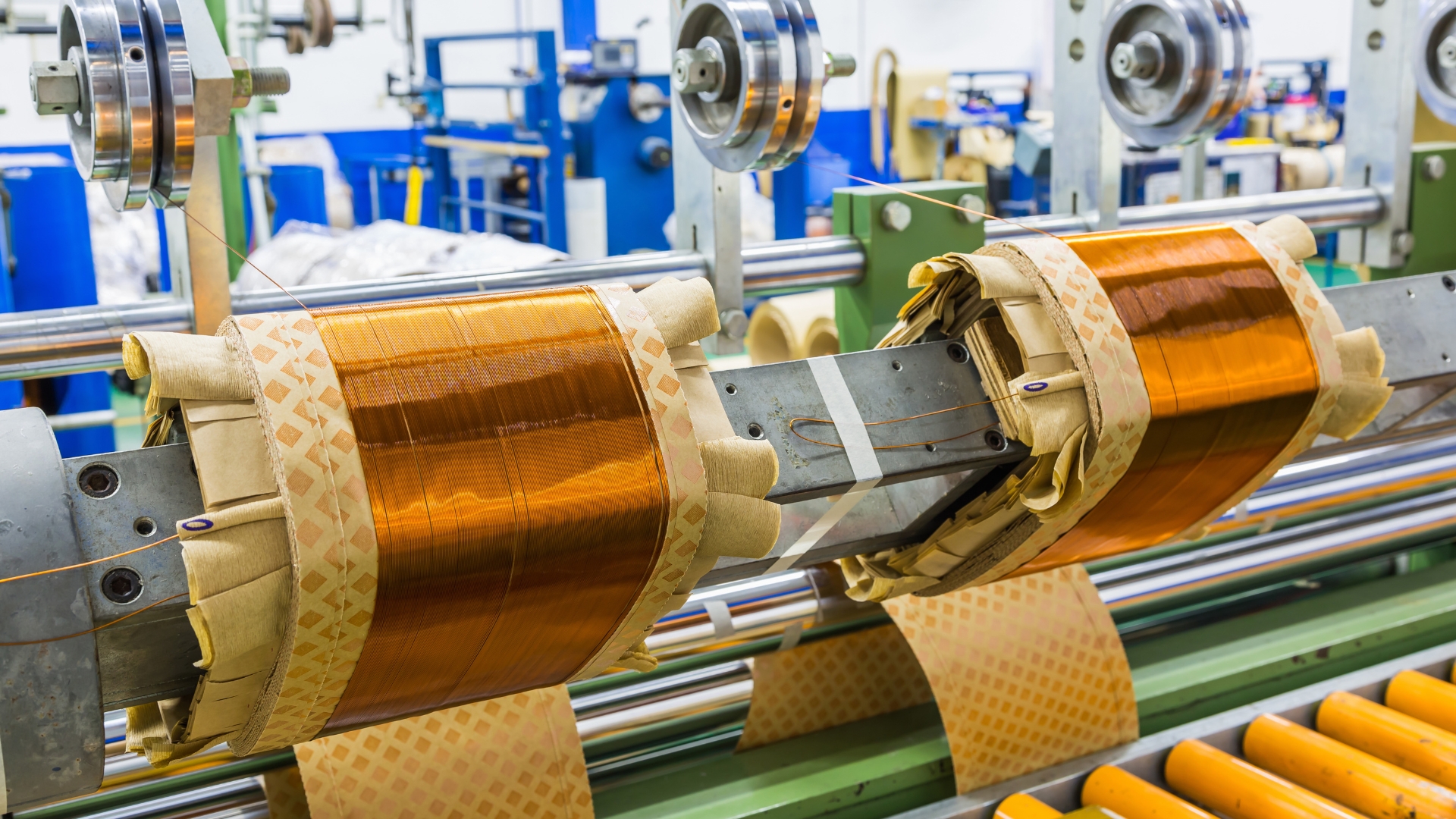
When the converted material needs to leave the machine as a roll, rewind performance becomes part of finished-product quality. A good rewind must produce rolls with the appropriate density, tension, edge quality, and consistency. Poor winding can contribute to loose rolls, wrinkles, uneven edges, dishing, or telescoping.
Tension within a wound roll changes as the roll builds and improper internal stresses can cause inner wraps to loosen, potentially leading to dishing or telescoping. Finished-roll diameter, width, weight, core size, material properties, and downstream handling should therefore be considered when designing the rewind. The goal is to create a roll that can be handled, stored, shipped, or processed again successfully.
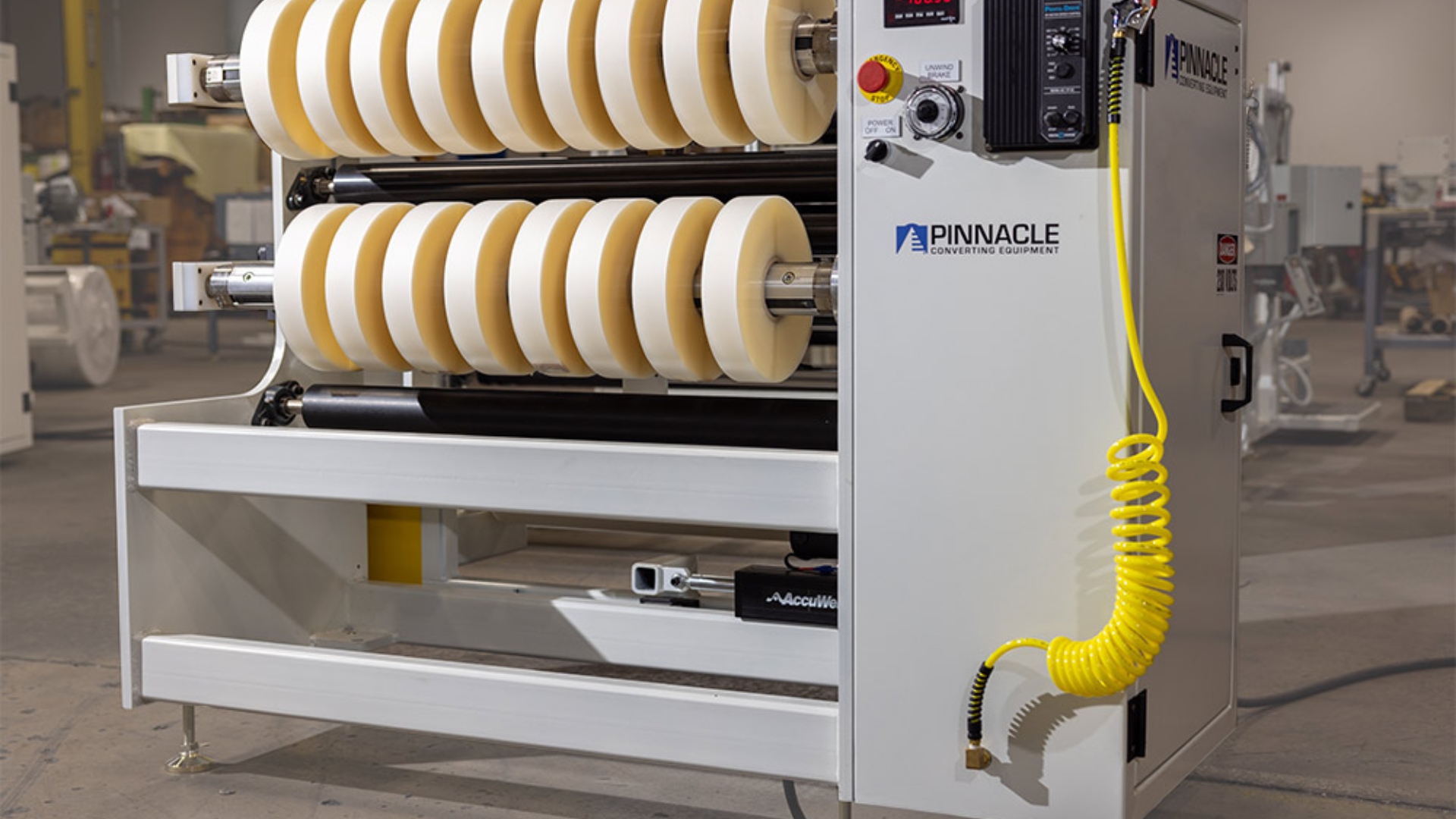
Evaluate the Unwind & Rewind as Part of the Whole Process
When evaluating an existing converting line, it’s worth looking beyond maximum speed or the primary converting function. How are rolls loaded? How much manual handling is involved? How long do changes take? Have roll weights or diameters increased? Is tension consistent? Will the existing setup accommodate future requirements?
Pinnacle’s approach is to evaluate the manufacturing process as a whole before determining what equipment makes sense. Sometimes that leads to a new converting line. In other cases, a targeted unwind or rewind retrofit may solve the problem while keeping productive equipment in services.
A Critical Component Worth a Closer Look
Unwinds and rewinds do far more than hold rolls. They influence material handling, changeover efficiency, operator safety, web control, productivity, and finished-roll quality. For manufacturers still operating older drop-in shaft systems, it may be worth evaluating whether floor-lifting or shaftless technology better matches current production requirements. Contact Pinnacle Converting to discuss unwind, rewind, and retrofit requirements with a team experience in solving web-handling challenges.


